
More Than Software: My Biggest Takeaways from CreativePro Week 2026
by Tahnee Sauer
As creatives, it's easy to get caught up in the day-to-day demands of deadlines, revisions, proposals and presentations. We spend so much time creating that we don't always set aside time to sharpen our craft.
That's one of the reasons I continue to return to CreativePro Week.
Envision this: CreativePRO Week is what happens when you bring together a mix of top industry experts and thousands of professionals in the creative space in one place united under the shared mission to learn, create and share. This year marked my third time attending the essential how-to conference for creative professionals. This year was the event’s 10th anniversary and the line-up of speakers did not disappoint! The five days were full of content dedicated to helping designers improve their workflows, master creative software, and stay ahead of industry trends. But for me, it has always been about more than learning new software tricks.
With technology evolving at an incredible pace - especially with the rapid integration of AI into creative tools - I felt this year's conference was particularly important. I wanted to stay current, challenge my thinking, and continue finding better ways to serve our clients, while protecting the creativity that makes great design meaningful.
Starting with Curiosity
Before getting on a plane, conference-bound, I sit down to outline a list of challenges I'd like to solve. Sometimes it's improving a workflow that's inefficient. Other times it's investing time to learn a tool I've never fully explored. This year, top items on that list were strengthening my PowerPoint and Illustrator skills while learning how to responsibly and effectively incorporate AI into my creative process.
But that doesn’t mean I had tunnel vision for just those conversations; I've learned to keep my eyes, ears, and mindset open.
Some of the best ideas come from sessions you didn't expect to attend or from watching someone solve a problem with a unique approach you hadn’t ever considered. Seeing the creative process through a new perspective often sparks ideas that can be applied far beyond the software being demonstrated.
A Conference That Celebrates Creativity…and Creative Problem Solving
One of my favorite traditions at CreativePro Week is an event called Three Minutes Max.
At the end of each day, presenters come armed with their toolbox of creative expertise, grouped by category, to demonstrate their best tip, shortcut, or workflow in just three minutes - and when the buzzer rings, time’s up! Experts compete on behalf of randomly selected audience members - who have a chance to win prizes - and winners are selected by audience votes.
It's energetic, funny, and surprisingly inspiring.
More importantly, it perfectly captures the spirit of the conference. CreativePro isn't about showing off software. It's about sharing ideas that help everyone become better at what they do.
The Biggest Ideas I Brought Home
If someone skipped every presentation but asked me what mattered most, these would be the ideas I'd share.
AI is a collaborator - not a replacement.
The conversation around AI was impossible to ignore this year, and for good reason.
CreativePro introduced an entire track dedicated to the strategic adoption of AI, exploring not only how to use these tools effectively, but also how to preserve the uniquely human aspects of creativity.
One realization stood out to me: you don't necessarily need to learn dozens of standalone AI platforms. Many of the programs we already rely on every day - Adobe InDesign, Photoshop, Illustrator, Acrobat, and others - are rapidly integrating AI directly into their interfaces, some of which are already available for use in the Beta versions of the software. As these capabilities continue to evolve, designers can take advantage of AI without reinventing the way they work.
The conversations about AI through the week highlighted excitement, fear, apprehension, wonder, and anxiety. The key is remembering that AI should enhance creativity, not replace it.
Great design still begins with storytelling.
As software becomes more powerful, it can be tempting to believe that better tools automatically produce better work.
They don't.
The strongest creative work still connects emotionally with its audience. Whether it's a proposal, presentation, brochure, or brand campaign, people remember stories, not shiny slides or flashy graphics. Watching the creation of a highly impactful presentation reminds me of seeing the “behind-the-scenes” storyboarding of an animated movie.
Technology can help us work faster, but it can't replace thoughtful strategy, empathy, or the ability to communicate an authentic, compelling message. Those remain distinctly human skills.
Better systems create more room for creativity.
One of the biggest shifts in my own thinking happened during this conference. For years, I viewed programs like Adobe Creative Cloud, Canva, or PowerPoint as a set of available tools to reach a finished product. Now I'm thinking differently.
Instead of focusing as heavily on the immediate outcome, I'm becoming more intentional about building systems, templates, and workflows that consistently produce high-quality results.
When repetitive tasks become more efficient, we free up more time and energy for what delivers our clients with the highest value: customization, problem-solving, and creative storytelling.
A Couple of Bonus Takeaways
Not every lesson came from a presentation.
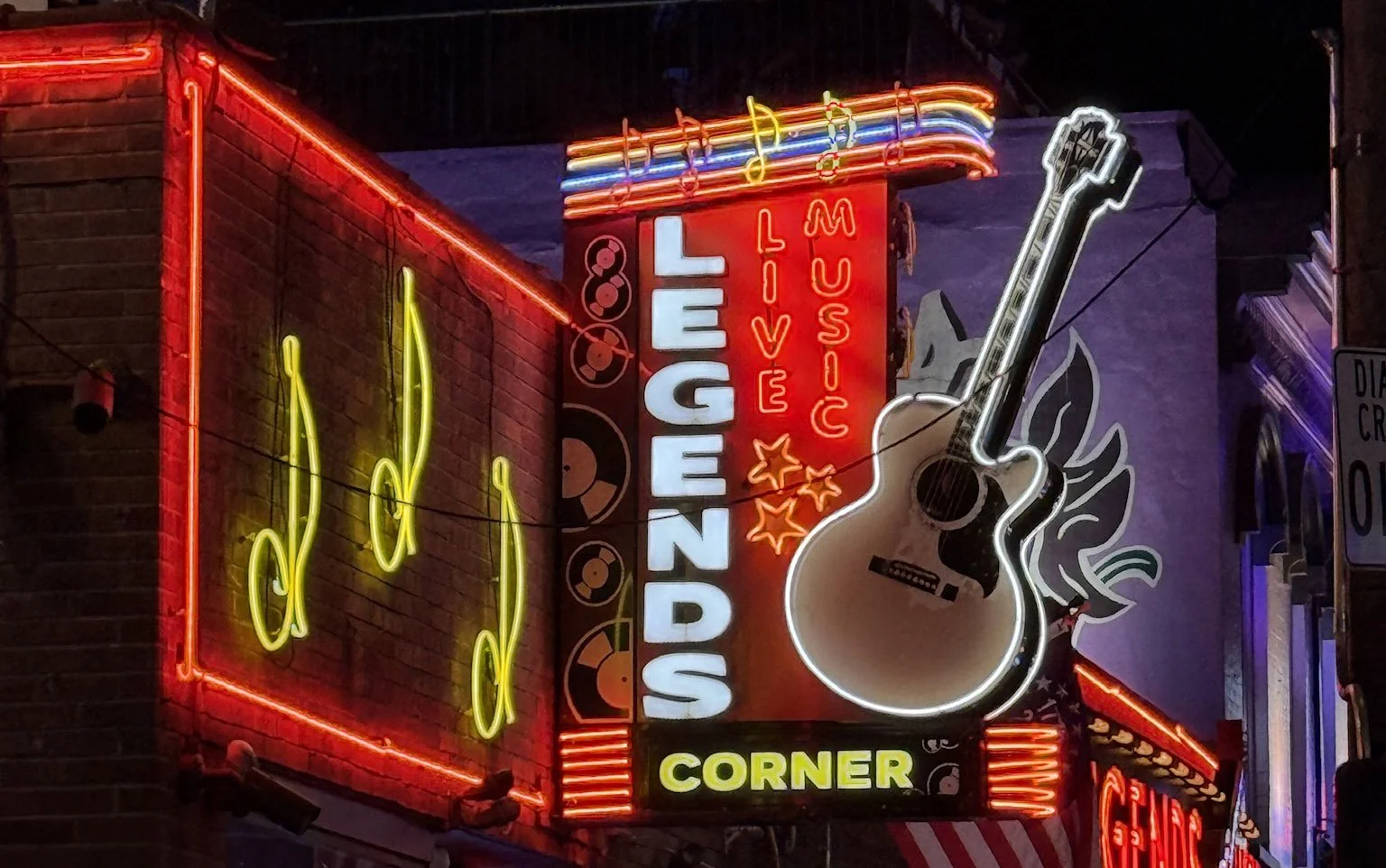
Sometimes the biggest value of a conference comes from the relationships you build. Great conversations and connections sparked exploring the city on evening photo-walks, playing networking bingo over happy hour, and adventuring through Nashville’s iconic spots. This year reminded me that those connections often require just as much intentionality as attending the sessions themselves.
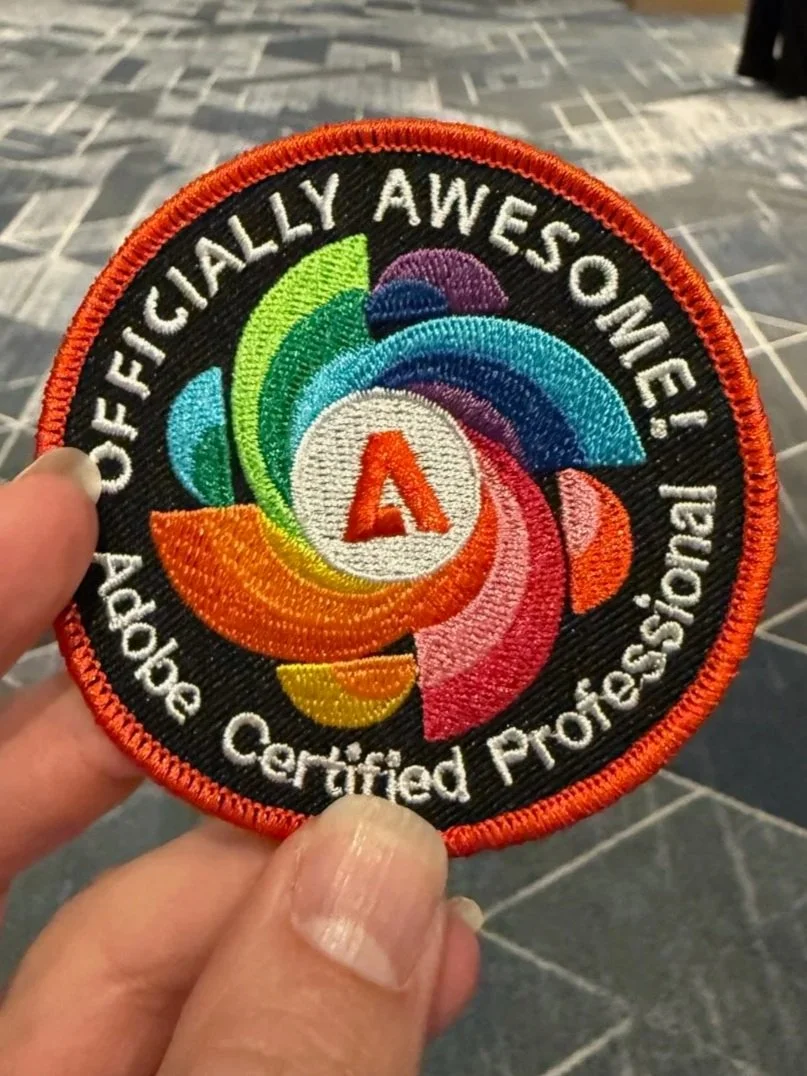
As a bonus of the core conference, attendees had the opportunity to earn Adobe Certified Professional certifications while onsite. Although I've worked in Adobe Creative Suite for more than 15 years, having the opportunity to formally validate that experience was incredibly rewarding.
I'm proud to now be an Adobe Certified Professional in InDesign, Photoshop, Illustrator, and Adobe Acrobat. These individual certifications combine to achieve Adobe’s Certification in Visual Design.
Looking Ahead
If there was one overarching theme that connected nearly every presentation, it was this: Distinctive creative work will continue to outperform work that simply follows the crowd.
Whether content is generated by AI or created by a person, audiences are becoming remarkably good at recognizing work that feels generic or formulaic.
The goal isn't to create more content. It's to create more thoughtful, meaningful content that sticks with the audience.
That means embracing new technology while refusing to let it define the work. It means building efficient systems that leave more room for creativity. And it means remembering that behind every proposal, presentation, website, or marketing campaign is a real audience looking for connection.
Technology will continue to change. Software will continue to evolve.
But curiosity, craftsmanship, and a commitment to continuous learning will always be some of the most valuable tools a creative professional can have.
I'm already looking forward to bringing these ideas into our work at Meeks Marketing, and to seeing what CreativePro Week has in store next year.